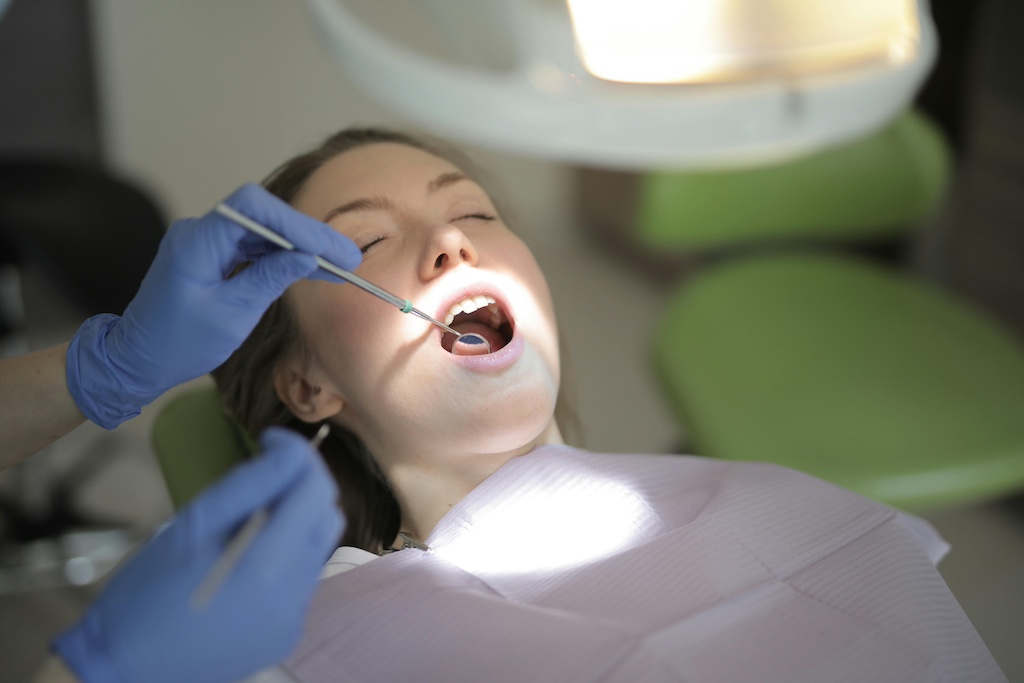
A confident smile shapes how others perceive you. But, what would happen when your teeth issues impacted your smile? It goes beyond aesthetic issues by adversely affecting your emotional well-being. Most people are self-conscious about their teeth’s cosmetic issues when they speak.
Hence, your dental issue may cause emotional trouble by lowering your self-esteem. In contrast, improved oral health lets you remove anxiety. This blog shows how your mental and dental conditions are interconnected to each other.
Which Oral Complications Affect Your Self-Esteem?
A few dental issues that could lower your self-esteem are:
- Misaligned or crooked teeth lead to discomfort when you have a wide-open smile.
- Yellowish teeth will cause excessive self-consciousness when you smile.
- Bad breath or chronic halitosis may cause embarrassment during social interactions.
- Missing teeth create gaps that affect your appearance and speech.
For many, getting dental implants in OKC is the best solution for your lost teeth. Soon enough, you’ll have your confidence back in everyday situations.
Different Ways Dental Issues and Stress Affect Your Health
Your oral conditions are closely connected to psychological well-being. Let us explore factors influencing your dental and mental health.
Anxious Feelings
The appearance of your teeth may affect your psychological health. An attractive smile makes you self-confident during conversions. But, discolored and missing teeth will prevent you from speaking confidently. Moreover, people with severe anxiety neglect their self-care routine, which leads to dental issues.
Chronic Pain
Severe cavity in your teeth causes ongoing discomfort and intense pain. This oral problem may cause depression and stress over time. Similarly, people with severe depression grind their teeth and experience jaw pain.
Behavioral Disorders
Those with eating disorders experience a number of oral problems:
- Tooth decay
- Worn enamel
- Gum disease
Some compulsive disorders also lead to obsessive brushing. Elsewhere, dementia patients can fail to stick to oral hygiene routines.
Bipolar disorders can cause erratic dental habits, as patients skip dentist appointments. This inconsistency may result in gum disease and dental erosion.
Medications
Regular intake of antidepressants leads to dry mouth and reduced saliva production. As the fluid does not flush your mouth, bacterial buildups cause gum disease.
Oral Care Practices for Mental Benefits
Find a guide to creating your dental care routine to avoid psychological stress:
- Brush your teeth properly to mitigate plaque buildup. The clean teeth will allow you to smile confidently during social interactions.
- Visit the clinic of a certified dental hygienist to detect potential problems.
- Undergo cosmetic dental treatments, such as veneers and whitening.
- Limit sugary drinks that cause tooth decay over time.
It is also essential to have a healthy diet and reduce stress to avoid dental anxiety. Thus, create your self-care routine for mental and dental well-being.
Conclusion
People with good mental health understand the importance of oral care. They make frequent dental visits to avoid potential issues. This approach ensures psychological well-being and better self-esteem. Besides, you have to nurture a positive mindset to maintain your dental health. So, consult the experts to restore your oral and emotional health in the long run.